
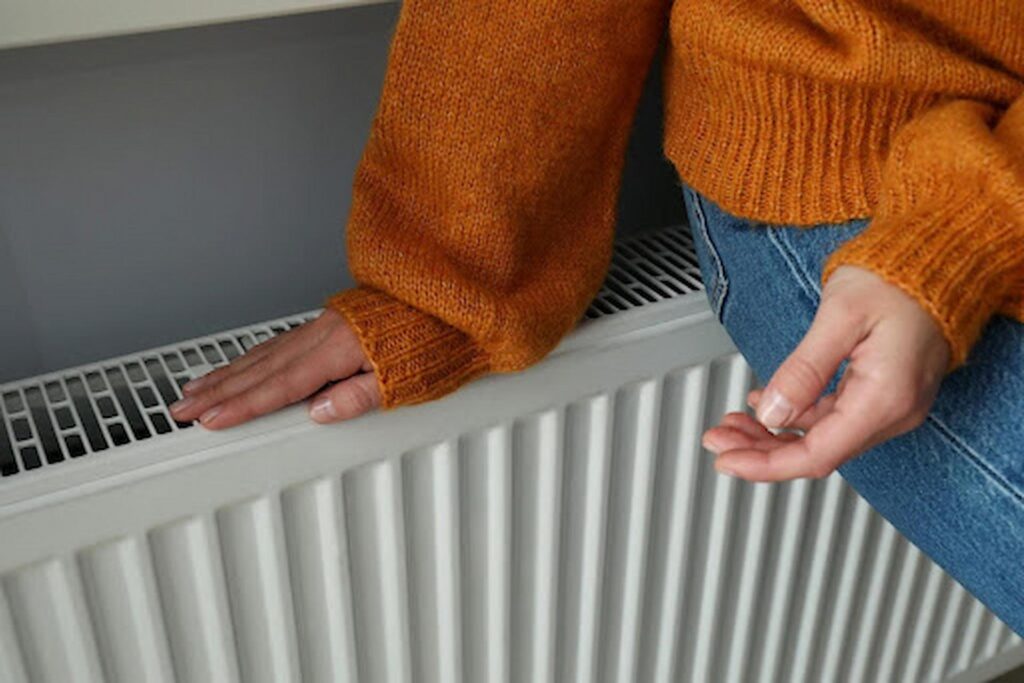

Designer radiators have moved beyond simple heating appliances to become striking interior features. From sculptural vertical panels to bold metallic finishes, today’s options combine efficiency with visual impact. This guide explores the most popular shapes and finishes, helping you choose a radiator that enhances both warmth and style.
When planning a modern interior, heating no longer sits quietly in the background. Homeowners increasingly look to brands like Stelrad Radiators for solutions that blend performance with design integrity. The shape and finish of a radiator can dramatically influence the mood, balance, and visual structure of a room. Understanding the most popular options allows you to select a model that complements both your décor and heating requirements.
Vertical Radiators: Maximising Height and Space
Vertical designs focus on upward structure rather than width. They are ideal for rooms where wall space is limited but ceiling height can be utilised effectively.
A Smart Choice for Compact Layouts
Vertical designer radiators are especially suited to narrow walls and modern layouts. Their tall profile frees up floor space, allowing greater flexibility in furniture placement.
Visual Impact with Clean Lines
The elongated form draws attention upward, enhancing the perception of height. This creates a sleek and architectural feel within contemporary spaces.
Horizontal Designer Radiators: A Modern Take on Tradition
Horizontal designer radiators reinterpret the classic radiator format with slimmer profiles, cleaner edges, and refined detailing. They retain the dependable practicality homeowners expect while presenting a more contemporary and polished appearance that aligns with modern interior styling.
Modern horizontal units often feature flat surfaces and balanced proportions, reducing visual bulk without compromising performance. Improved internal engineering ensures consistent and efficient heat output, making them suitable for both living spaces and bedrooms where comfort is essential.
Their layout fits naturally beneath windows, where rising warm air helps offset cooler drafts from glazing. This placement supports effective heat circulation while maintaining visual symmetry and allowing the rest of the wall space to remain functional for furniture or décor.
Flat Panel Designs: Minimalism at Its Best
Flat panel radiators are characterised by clean geometry and smooth, uninterrupted surfaces. Their simplicity makes them particularly well suited to interiors that prioritise clarity, balance, and understated elegance over decorative detailing.
With crisp edges and a streamlined structure, flat panel designs integrate effortlessly into contemporary and minimalist settings. They sit neatly against the wall, creating a subtle architectural feature that complements the room without dominating it.
Beyond aesthetics, practicality is a defining advantage. The smooth exterior minimises dust accumulation and allows for straightforward cleaning, supporting both hygiene and convenience. For households seeking a refined yet low-maintenance heating solution, flat panel radiators offer an effective balance of style and functionality.
Column Radiators: Timeless Character with Modern Engineering
Column radiators combine traditional structure with modern efficiency. They introduce texture while benefiting from improved materials and engineering.
A Blend of Heritage and Innovation
Contemporary column models offer faster heat-up times than older cast-iron versions. They preserve classic charm while meeting modern performance standards.
Versatile Styling Options
Available in multiple heights and widths, column shapes complement both period and industrial interiors. Many homeowners choose Stelrad Radiators for column designs that balance character with dependable heating.
Curved and Sculptural Radiators: Statement Heating
Curved and sculptural radiators are designed to command attention. Their unconventional silhouettes transform a functional heating unit into a purposeful design feature that enhances the architectural identity of a space.
Flowing panels, wave-inspired contours, and asymmetrical forms introduce movement and visual depth. These shapes work particularly well on feature walls or within open-plan layouts where a strong focal point is desired.
Although visually bold, performance remains a priority. Advanced internal engineering ensures consistent heat distribution across the surface area, maintaining reliable warmth while delivering a striking, artistic presence within the room.
Mirror and Dual-Purpose Radiators: Style Meets Functionality
Mirror and dual-purpose radiators are designed to do more than simply heat a room. By integrating additional functional elements, they maximise space efficiency while maintaining a refined and contemporary appearance.
Mirror radiators combine reflective surfaces with reliable heat output, making them especially suitable for bathrooms, dressing areas, and hallways. They eliminate the need for separate wall mirrors, supporting smarter use of compact spaces.
With slim frames and smooth, polished finishes, these designs help enhance natural light and create a sense of openness. The result is a streamlined, clutter-free environment where practicality and visual clarity work seamlessly together.
Matte Finishes: Understated Sophistication
Matte finishes introduce a quiet sense of refinement to designer radiators. Their muted appearance creates a softer visual presence, making them well suited to interiors that emphasise balance, subtle contrast, and contemporary simplicity.
The non-reflective surface absorbs light rather than bouncing it back into the room. This gentle diffusion produces a composed and modern aesthetic that pairs naturally with neutral tones, textured walls, and minimalist décor schemes.
In addition to visual appeal, matte coatings offer practical advantages. They tend to conceal fingerprints and minor surface marks more effectively than gloss alternatives, making them a reliable choice for frequently used living spaces and busy households.
Gloss Finishes: Bright and Reflective
Gloss finishes introduce shine and visual energy. They help amplify natural and artificial light within a room.
Enhancing Light and Space
Reflective surfaces can make compact areas feel brighter. Gloss white remains popular, but deeper tones are increasingly chosen.
A Clean and Polished Look
The smooth coating creates a crisp, finished aesthetic. Gloss models pair well with contemporary kitchens and bathrooms.
Bold Colour Finishes: Making Heating a Feature
Coloured radiators transform heating into a deliberate design element. They allow coordination with wider décor themes.
Beyond Standard White
Options now include deep blues, charcoal greys, and muted greens. These tones help personalise interiors.
Coordinating with Interior Themes
A coloured radiator can echo furniture or wall shades. This creates cohesion rather than visual disruption.
Choosing the Right Shape and Finish
Selecting a designer radiator requires careful evaluation of space, heat output, and interior style. A well-matched model enhances both comfort and visual harmony.
Consider the following before deciding:
- Room size and layout
- Required heat output
- Existing décor and materials
- Durability of the finish
Ranges from Stelrad Radiators provide flexibility across shapes and finishes, ensuring both design preference and heating performance are addressed.
Conclusion
Designer radiators now play a central role in shaping interior spaces. From vertical structures that maximise wall height to column designs that add character, each shape influences how a room feels and functions. Finishes, whether matte, gloss, metallic, or textured, further define the atmosphere.
When selecting a radiator, it is important to assess spatial layout, heating requirements, and overall décor scheme. A carefully chosen model will not only deliver consistent warmth but also integrate seamlessly into the design narrative of your home. Modern collections from Stelrad Radiators demonstrate how heating can move beyond utility, becoming both a practical necessity and a considered aesthetic feature.