
Plumbing problems rarely arrive with a warning. A slow leak behind the wall, a clogged drain, or a sudden pipe burst can disrupt daily life and lead to costly repairs. Many homeowners only think about plumbing when something goes wrong—but by then, the damage is already done. The smarter approach is prevention. A structured maintenance plan helps you stay ahead of issues, saving time, money, and stress in the long run.
Why Plumbing Maintenance Matters More Than You Think
Plumbing systems work quietly in the background, making it easy to overlook their importance. However, even minor issues can escalate quickly if ignored. A dripping tap may seem harmless, but over time, it wastes water and increases utility bills. Similarly, unnoticed leaks can weaken structural elements and promote mould growth.
A consistent maintenance routine ensures your system remains efficient and reliable. It also helps detect early signs of wear, allowing you to fix problems before they become emergencies.
What Is a Structured Plumbing Maintenance Plan?
A structured maintenance plan is a proactive approach to inspecting, cleaning, and maintaining your plumbing system on a regular schedule. Instead of reacting to breakdowns, you follow a checklist that keeps everything functioning smoothly.
A well-designed plumbing maintenance plan typically includes:
- Routine inspections of pipes, fixtures, and appliances
- Drain cleaning and blockage prevention
- Leak detection and repair
- Water pressure checks
- Maintenance of water heaters and other systems
By following a plan, you reduce the likelihood of unexpected failures and extend the lifespan of your plumbing infrastructure.
Key Components of an Effective Maintenance Plan
1. Regular Inspections
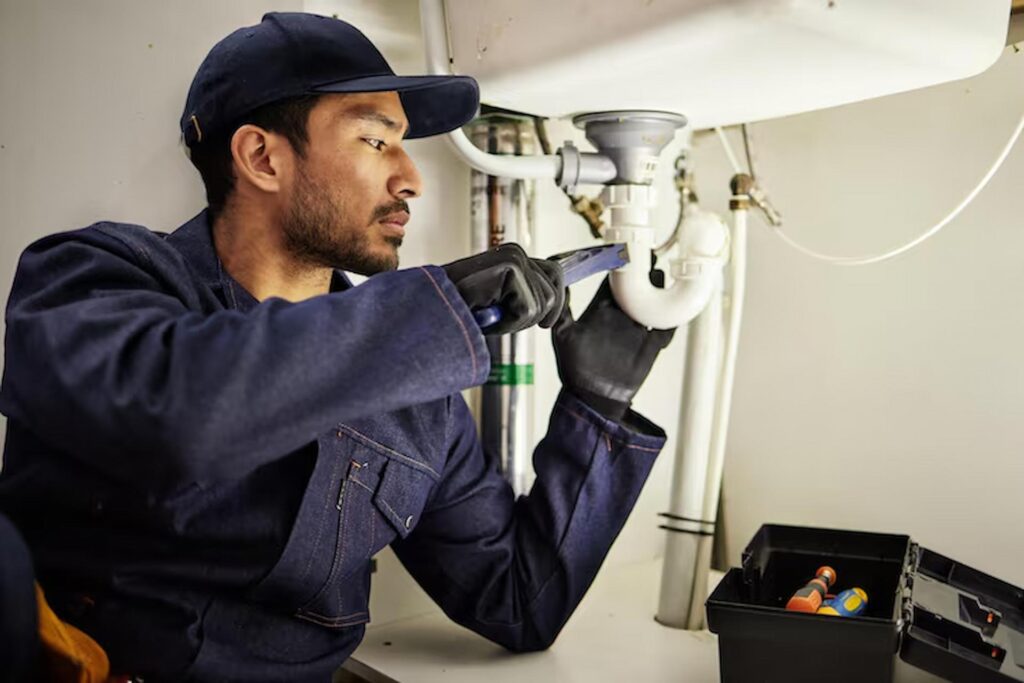
Visual inspections are the first line of defense. Check under sinks, around toilets, and near appliances for signs of leaks, corrosion, or moisture. Even small changes—like discoloration or damp spots—can indicate underlying issues.
Professional inspections once or twice a year add another layer of security. Experts can identify hidden problems that may not be visible to the untrained eye.
2. Drain Care and Cleaning
Blocked drains are one of the most common plumbing issues. Hair, grease, soap residue, and debris build up over time, restricting water flow.
To prevent this:
- Avoid pouring grease down the sink
- Use drain strainers to catch debris
- Flush drains periodically with hot water
Routine cleaning keeps your drainage system running efficiently and reduces the risk of severe blockages.
3. Leak Detection and Prevention
Leaks are often silent but damaging. A small pipe leak can waste hundreds of litres of water and increase your bills significantly.
Pay attention to:
- Unusual increases in water usage
- Damp smells or mould growth
- Low water pressure
Addressing leaks early protects both your property and your finances.
4. Water Pressure Management
High water pressure might feel satisfying, but it puts unnecessary strain on pipes and fixtures. Over time, this can lead to cracks, leaks, or even pipe bursts.
Installing a pressure regulator and monitoring levels ensures your system operates within safe limits.
5. Water Heater Maintenance
Your water heater plays a crucial role in daily comfort. Without regular servicing, sediment can build up inside the tank, reducing efficiency and lifespan.
Flushing the system annually and checking components like valves and thermostats keeps it functioning optimally.
Benefits of Following a Structured Plan
A well-maintained plumbing system offers more than just peace of mind. It delivers measurable advantages:
- Cost savings: Preventive maintenance is far cheaper than emergency repairs
- Improved efficiency: Systems operate smoothly, reducing water and energy waste
- Longer lifespan: Pipes, fixtures, and appliances last significantly longer
- Health protection: Prevents mould growth and water contamination
- Convenience: Minimises unexpected disruptions to your routine
These benefits highlight why a proactive approach is far more effective than reactive fixes.
How to Create a Maintenance Schedule
Building a maintenance routine does not have to be complicated. Start by dividing tasks into monthly, quarterly, and annual checks.
Monthly tasks:
- Inspect visible pipes and fixtures
- Check for leaks and unusual sounds
Quarterly tasks:
- Clean drains and remove buildup
- Test water pressure
Annual tasks:
- Service water heaters
- Schedule a professional inspection
Consistency is key. Even simple checks, when done regularly, can prevent major issues.
For those who prefer a guided approach, a professional service like a plumbing maintenance plan can streamline the process and ensure nothing is overlooked.
Common Mistakes to Avoid
Even with good intentions, some habits can undermine your efforts:
- Ignoring small leaks or drips
- Using harsh chemical cleaners that damage pipes
- Delaying professional inspections
- Overloading drains with grease or debris
Avoiding these mistakes ensures your maintenance plan remains effective and sustainable.
When to Call a Professional
While basic maintenance can be handled at home, certain situations require expert attention. Persistent leaks, recurring blockages, or unusual noises in the system should not be ignored.
Professionals bring specialized tools and expertise, allowing them to diagnose and resolve issues quickly. Regular professional servicing also ensures compliance with safety standards and reduces long-term risks.
In Conclusion
Plumbing issues can be unpredictable, but they are rarely unavoidable. A structured maintenance plan transforms how you manage your home’s plumbing—shifting from reactive repairs to proactive care.
By investing time in regular inspections, cleaning, and servicing, you protect your property, reduce costs, and ensure uninterrupted comfort. The key takeaway is simple: small, consistent efforts today can prevent major disruptions tomorrow. Start building your maintenance routine now, and your plumbing system will reward you with reliability and peace of mind.